

You roll out of bed, still half-asleep, and step into the shower. You turn the dial, expecting a comforting, steamy cascade of warm water to kickstart your morning routine. Instead, you are instantly blasted by a shocking, bone-chilling stream of freezing water. You gasp, jump backward, and turn the handle all the way to maximum—but the water refuses to heat up.
Waking up to no hot water tulsa families experience is an immediate disruption to your daily routine. Suddenly, you can’t wash dishes, run a load of laundry, or get your kids ready for school. It is a universal household frustration that leaves you with a flood of urgent questions: Is the unit completely broken? Is this going to cost a fortune to replace? Who can I call to get this fixed today?
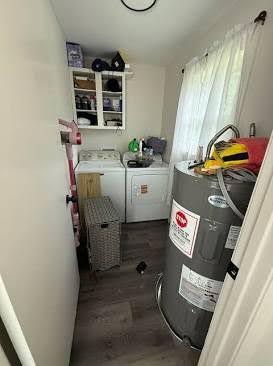
A standard residential water heater. Source: Facebook
When your hot water vanishes, you need rapid answers, honest diagnostics, and a dependable plumbing contractor who won’t take advantage of your desperation. The good news is that a total lack of heat doesn’t automatically mean your water heater is destined for the scrap heap. Often, the culprit is a single failed component that can be quickly and affordably replaced.
At Top Shelf Plumbing—proudly known as “America’s Plumbing Team”—we specialize in restoring household comfort with complete financial transparency. In this diagnostic guide, we will walk you through the primary reasons your water stopped heating up, quick troubleshooting steps you can perform right now, and exactly when to bring in the local pros.
Step 1: Identify Your Fuel Source
Before you can troubleshoot why your water is ice-cold, you need to know how your water heater generates heat. The diagnostic path diverges completely depending on whether your home uses gas or electricity.
| System Type | Power Delivery | Heating Method |
| Gas Water Heaters | A rigid or flexible gas line (often yellow or black pipe) connected to a control valve at the base. | A burner assembly at the bottom of the tank, ignited by a pilot light or electronic spark. |
| Electric Water Heaters | Heavy-duty electrical wires running from your breaker panel directly into the top or side of the unit. | Two internal heating elements submerged in the water (upper and lower). |
Common Causes for Gas Systems
If you have a gas system, a complete loss of hot water usually points to an issue with the fuel or ignition system:
1. The Pilot Light Has Blown Out
This is the single most common cause of a sudden hot water outage. Strong drafts, a brief interruption in municipal gas delivery, or a failing internal valve can extinguish the tiny, continuously burning flame at the base of your unit.
2. A Faulty Thermocouple
If you try to relight your pilot flame according to the instructions on the side of the tank, but the fire goes out the second you release the control knob, your thermocouple is likely broken. This small copper rod acts as a vital safety sensor. It detects whether a flame is present; if it fails, it assumes a dangerous gas leak is occurring and shuts down the entire gas line to the burner.
Common Causes for Electric Systems
If your tank runs entirely on electricity, the problem is almost always an electrical or component failure:
1. A Tripped Circuit Breaker
Electric water heaters pull a massive amount of electrical current. If your home experiences a sudden power surge or the system overloads, the dedicated double-pole breaker in your main electrical panel will trip to protect your home from an electrical fire, cutting all power to the tank.
2. A Burnt-Out Upper Heating Element
Electric tanks utilize an upper and a lower heating element. The upper element is the brain of the operation. When cold water fills the tank, the upper element heats the top portion first. If the upper element snaps or burns out, it fails to activate the system, resulting in a tank full of completely cold water.
The Tulsa Hard Water Threat: Sediment Overload
Whether your water heater uses gas or electricity, it is constantly battling Green Country’s environmental nemesis: notoriously hard water.
Tulsa’s municipal water is heavily laden with dissolved calcium and magnesium. As your water heater warms up, these minerals crystallize, fall to the bottom of the tank, and solidify into a dense layer of calcified rock.
“Over time, hard water sediment creates a thick barrier that completely insulates the water from the heat source. In gas units, it destroys energy efficiency and stresses the tank floor; in electric systems, it completely buries and destroys the lower heating elements.”
Quick DIY Troubleshooting Checklist
Before you call for an emergency dispatch, run through these three safe, simple diagnostic steps:
- Check the Electrical Panel: Head to your breaker box and locate the switch marked “Water Heater.” If it has tripped and is resting in the middle position, flip it fully to the “Off” position, and then firmly back to “On.” Give the tank 45 minutes to see if hot water returns.
- Inspect the Gas Control Valve: For gas units, look through the small view glass at the bottom of the tank. If you see dead darkness instead of a small blue flame, follow the manufacturer’s printed instructions on the side of the jacket to safely execute a pilot relight sequence.
- Press the High-Limit Reset Button: Electric units have an internal safety switch (often called the ECO) located behind the upper access panel on the side of the tank. Turn off the breaker, unscrew the panel door, push back the insulation, and look for a small red button. If it has popped out, press it firmly back in. (Note: If this button trips repeatedly, it means your thermostats are malfunctioning and creating an overheating hazard).
When to Stop Troubleshooting and Call Top Shelf Plumbing
If you have completed the basic breaker and pilot checks and your water remains stubbornly cold, it is time to step back. Water heaters are highly pressurized vessels that blend scalding water, high-voltage electricity, and combustible natural gas. Attempting to rewire internal thermostats or replace gas control valves without proper licensing exposes your family to severe electrocution, fire, or explosive risks.
When you need a definitive, safe fix, turn to the Tulsa plumbing repair company trusted for decades.
Experience the Top Shelf Difference
At Top Shelf Plumbing, we don’t believe you should have to sacrifice your savings just to get a hot shower. We are America’s Plumbing Team, and we operate every single day under three strict core values:
- Service With Honesty: We provide flat-rate, upfront pricing before any tools are lifted. If your system simply needs a cheap thermocouple or a quick element swap, that is exactly what we will bid. We will never use a cold shower as an excuse to trick you into buying a full tank replacement you don’t actually need.
- Service With A Smile: We know that a plumbing breakdown ruins your day. Our background-checked, highly trained technicians arrive on time, in clean uniforms, with a polite, helpful attitude. We wear protective shoe covers and use heavy mats to ensure we don’t leave a single speck of dirt behind.
- Service With Integrity: We do things the right way, every time. We use premium, durable parts and stand firmly behind our craftsmanship with robust written guarantees, safely restoring your home’s ultimate daily comfort.
Bring Comfort Back to Your Home Today
Don’t spend another day shivering through cold showers or boiling water on the stove just to wash your dishes. Let the local professionals handle the diagnostics safely, efficiently, and affordably.
Call America’s Plumbing Team today at (844) 984-3984 to schedule your water heater repair or to request a transparent estimate. Let Top Shelf Plumbing restore your hot water with honesty, integrity, and a smile!
